
Devlog #2: Let’s talk about the glue
Shmulis arrived in 9 pieces - and no, it wasn't a mob hit. And not every glue survives the attempt at gluing it together.
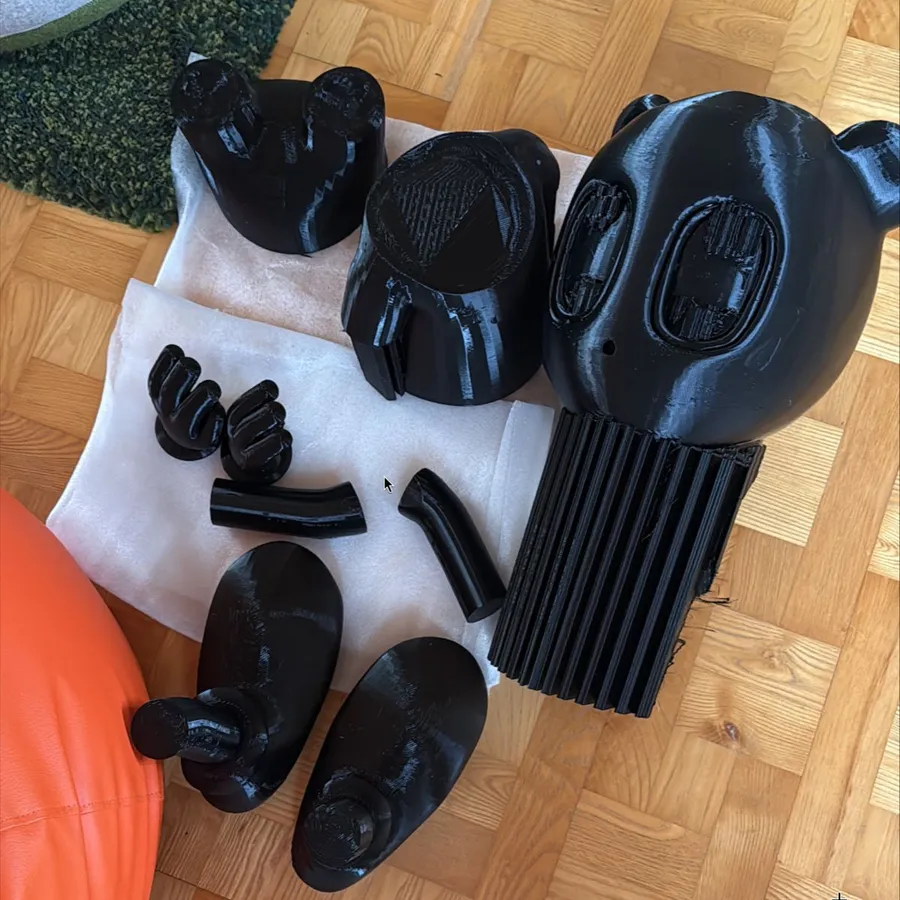
Thanks to the DPD courier being surprisingly careful, they overdelivered - Shmulis showed up in one more piece than anticipated.
The first part of the great saga: The glue
Like a proper mammal on the first attempt, we started with a water-based construction adhesive glue. It worked on previous projects, so we thought it would be a good idea to use it again.
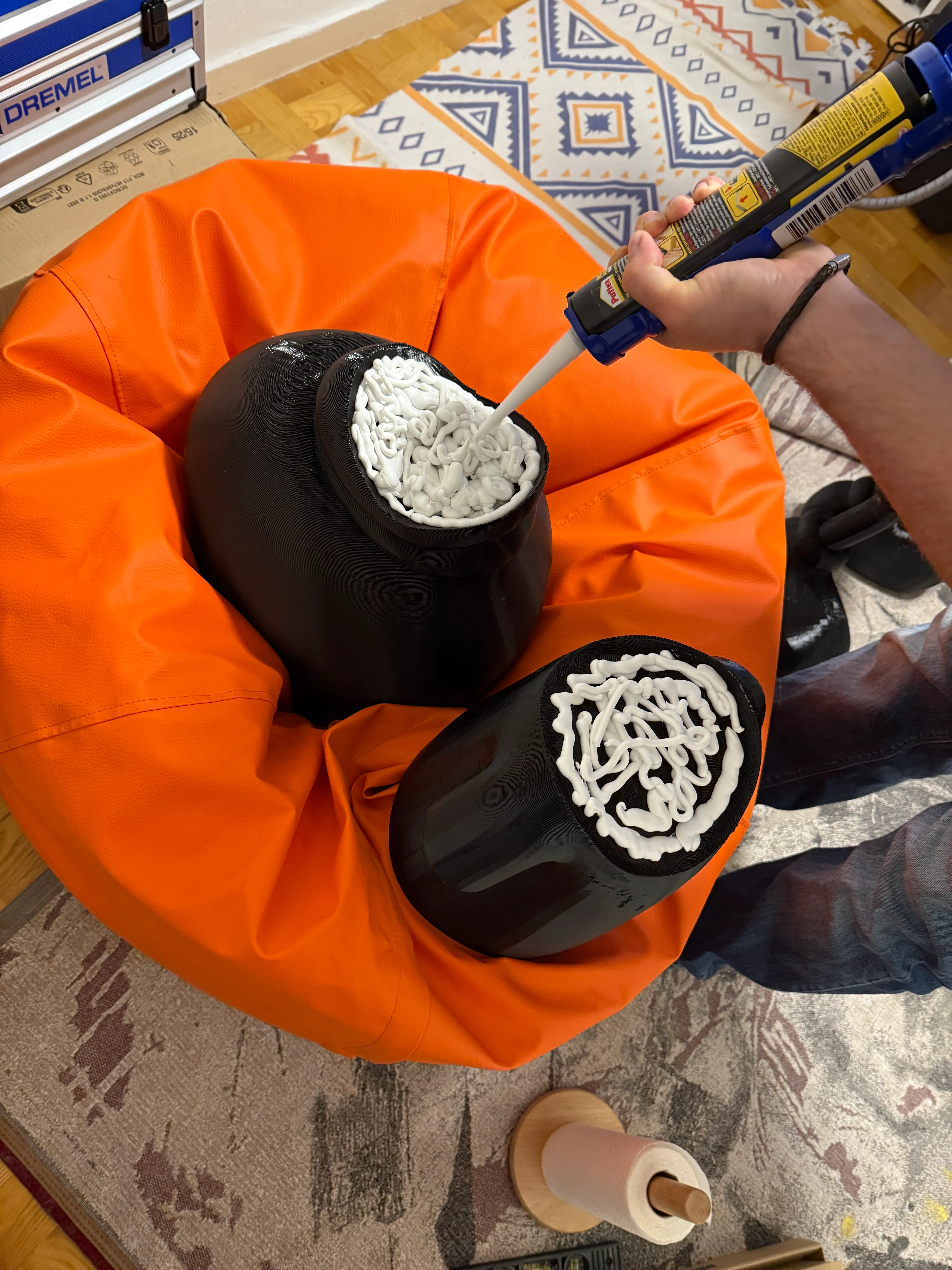
But, like water-based glues, they need air and should not be applied in a thick layer. Obviously, after a few days, the glue still hadn’t dried.
So, we moved on to the next option: polyester resin. And it worked like a charm. It was a bit more expensive, a little bit more difficult to use, but it does the job!

If you remember from the previous devlog, we had a problem with the hollow face, so I thought that it was a great idea to fill it with hot glue. Because it is cheap, easy to use, and it would fill up the hollow space.
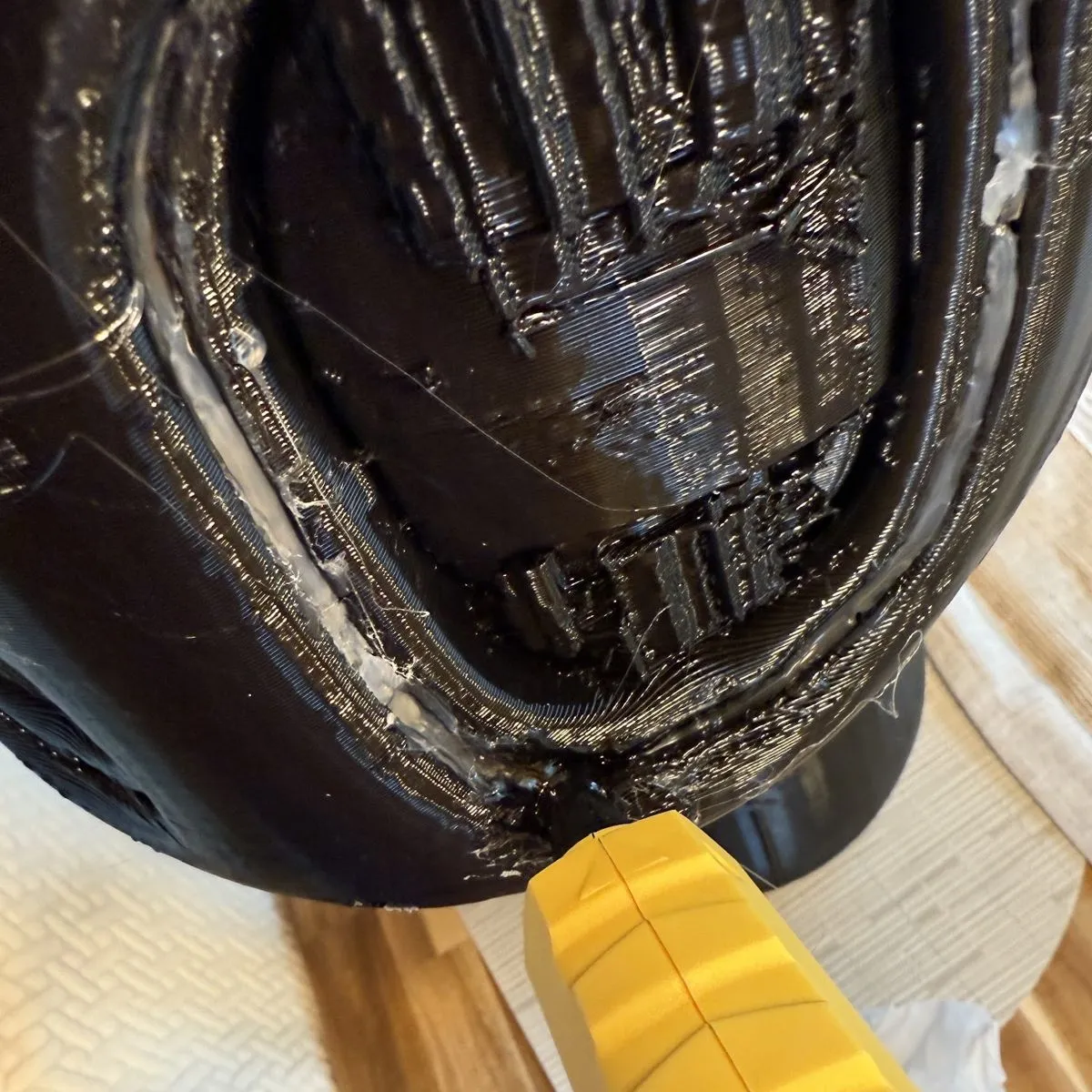
Spoiler alert: Little did I know, the hot glue in seams would be a problem for the sanding phase.
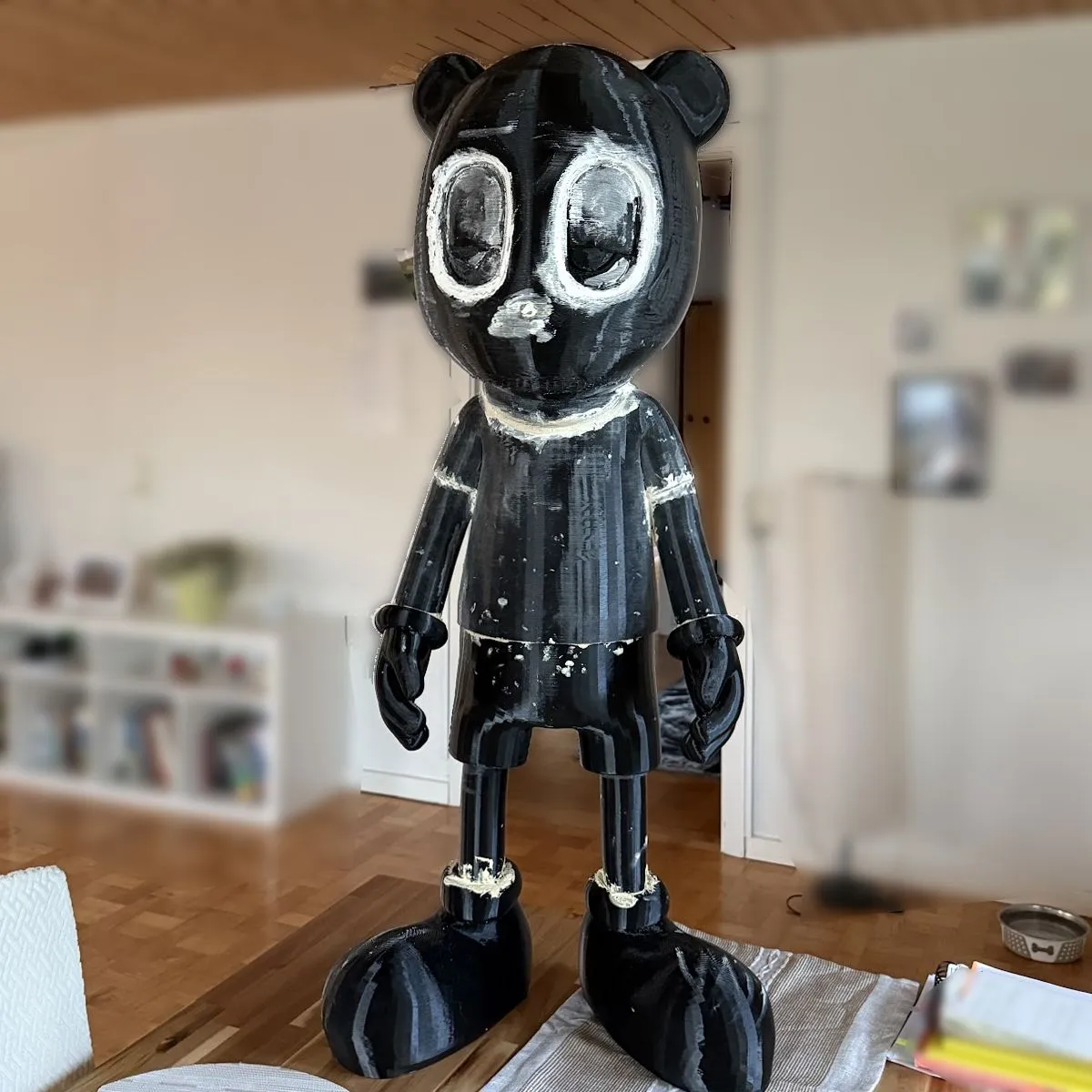
When 9 pieces become 1
“One day all the pieces will come together. You will understand why you had to go through everything you did.” - said someone on the internet. And it was true for Shmulis. He became one.
Current breakdown of the glue used:
- 1 tube of water-based glue (250g) - 1 x 3 EUR = 3 EUR
- 10 sticks of hot glue (11g each) - 10 x 0.5 EUR = 5 EUR
- 1 can of polyester resin (1000g) - 1 x 19 EUR = 19 EUR
Total glue cost: 27 EUR
Glue lessons learned
So, let’s talk about the glues. This is what I learned:
- Water-based glue is not a good option for 3d printed parts.
- Cyanoacrylate glue (a.k.a. super glue) is a good option for small parts, but not for big parts.
- Hot glue will melt the PLA plastic, but it is good for filling hollow areas, as long as you don’t sand it.
- Polyester resin is for the win. It is not as convenient to use as other glues (the mixing, the smell, the short time frame), but it works. And it is also prone to sanding.
I haven’t tried the 3d glue yet, the one that melts the PLA plastic and fuses the parts together, but I will definitely try it in future projects. I’ve heard that it is the best option for 3d printed parts. But, until I have tried it, polyester resin is the winner.

Written by EdgeLimits