Game Design
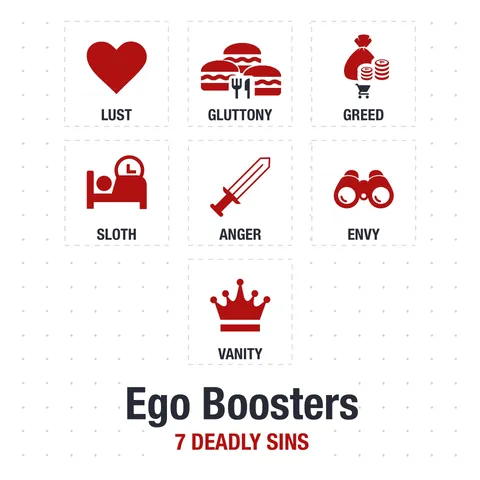
Ego Boosters (7 deadly sins) for game monetization
And, how games can exploit human weaknesses towards making money?
Read storyThere is a box with something inside, it might be something kind of awesome then again it might not. How much would you pay to find out?
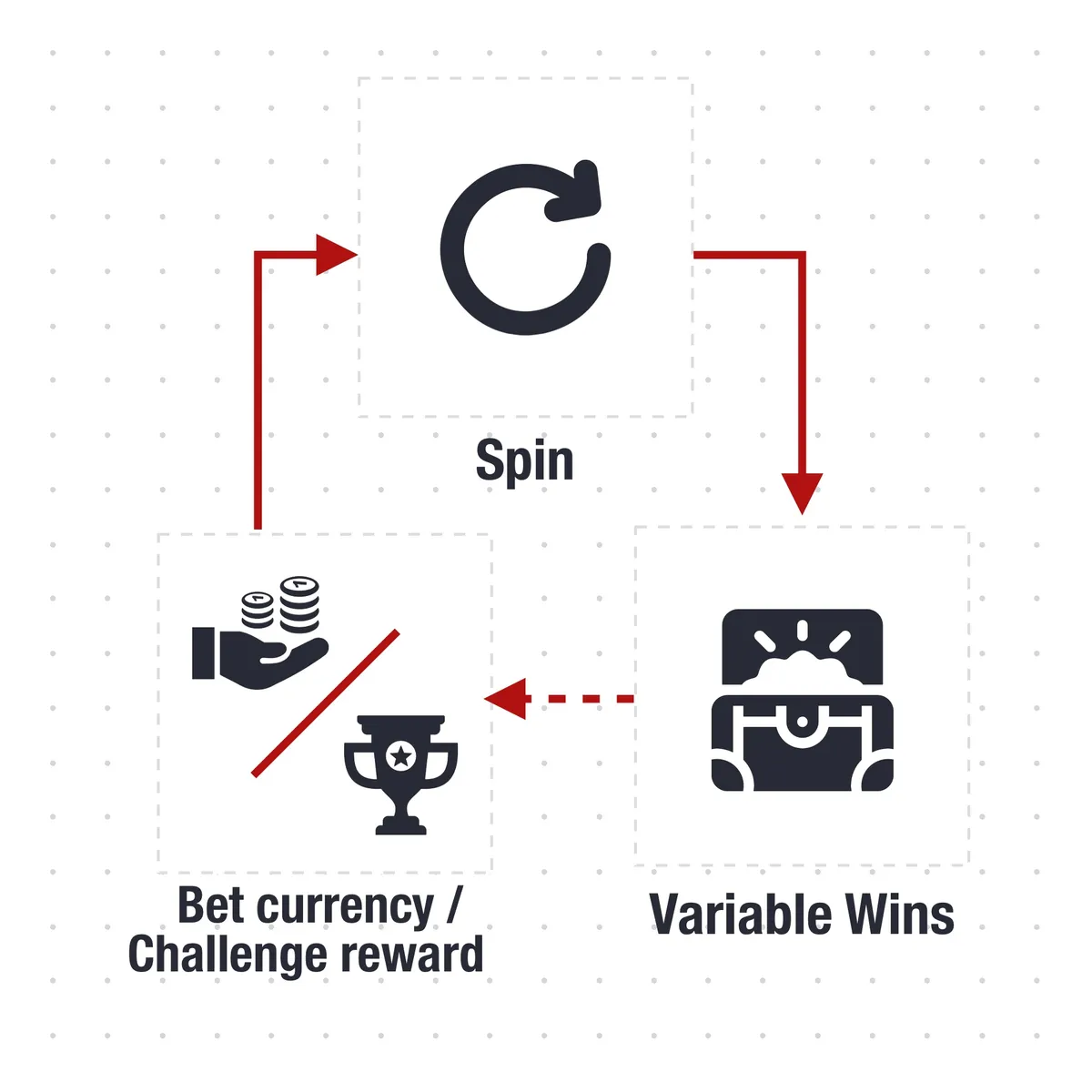
In short, these are boxes acquired by some accomplishment or in-game currency, and you don’t know what’s going to be inside. And the only way to find out is to open it. Sometimes there might be something kind of awesome then again it might not.
Usually, loot boxes appear in games that have items, like weapons, armor, consumables (like health potions), switchable characters, cosmetics (the appearance of your character), etc. Sometimes you can earn items by completing a gameplay loop or by earning currency that you find along the way.
This currency is used at in-game stores to buy items. Some in-game stores are designed to allow players to buy items directly, but some are just selling one thing - loot boxes. And as you may predict, you will not know what’s inside unless you buy it.
To produce an element of surprise you’ll have to add chance. And if you’ve read the article Schedule of reinforcement you know how easy is to turn this into a gambling slot machine.
Loot boxes use sound and visual effects to create a buzz of excitement, highlighting more valuable items over trash. Rising dopamine levels through the roof once you get a rare one.
The in-game currency usually takes a long time to build up. But some games have implemented a “fast track” system to get a chance at those rare loot boxes treasures. Instead of “grinded” in-game currency you can spend real money instead. It’s much faster to use actual money to exchange for more loot boxes.
Facts:
In 2018, Belgium was the first country to ban loot boxes. Australia is looking for options for restricting access to loot boxes in video games to adults aged 18 years or over.
Some other interesting article: Extensive UK loot box study

Written by EdgeLimits
And, how games can exploit human weaknesses towards making money?
Read storyThe one thing all good or bad games have in common - a player (with personal preferences). Wouldn't it be neat to design a game that is custom tailor for a player's personality?
Read storyMost of the time, a game with a single gameplay loop isn't enough to ensure that it has endless playability.
Read story