Game Design
Loot Boxes - Hidden Gambling Mechanics in Video Games
There is a box with something inside, it might be something kind of awesome then again it might not. How much would you pay to find out?
Read storyMost of the time, a game with a single gameplay loop isn't enough to ensure that it has endless playability.
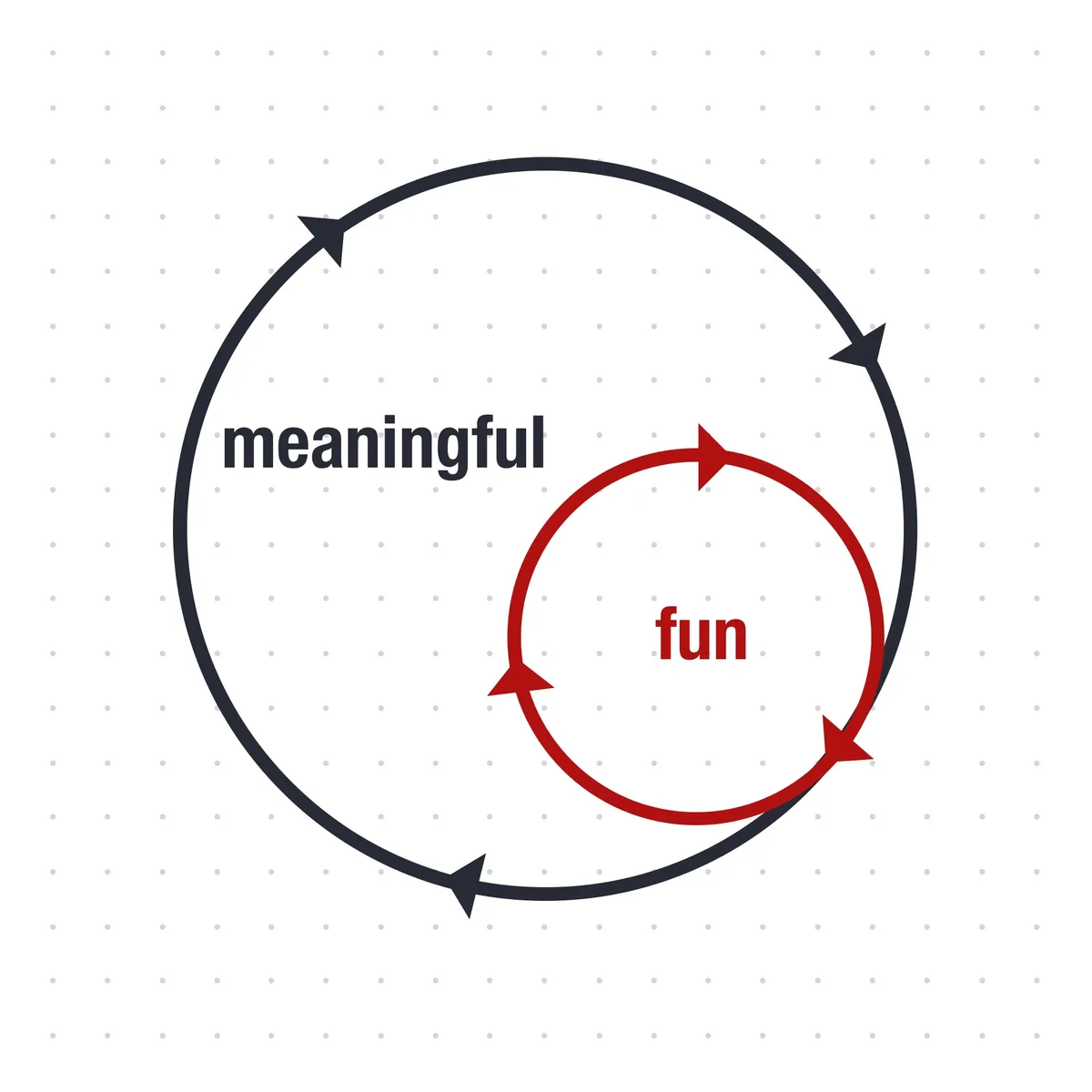
Short gameplay loops deliver more engagement at a given moment. However, it’s going to be difficult to give players a reason to come back.
On the other hand, very long gameplay loops are delaying satisfaction because you have to put in a lot of effort before you start having fun.
To ensure endless playability majority of the most engaging games design their entire structure around a medium-length gameplay loop supported by longer and shorter ones. The combination of multiple gameplay loops of various lengths ensures that the gameplay has a predictable rhythm and structure, engaging players with short-term goals that lead to the fun stuff.
Let’s build a game from a real-life example where you are going to sail around the world.
The long-length gameplay loop would look like this:
As much adventurous as it sounds, it would be pretty challenging and devastating to just sail for an enormous amount of hours.
Let’s add a medium-length gameplay loop:
and a small-length gameplay loop:
Dividing an epic challenge into smaller steps with additional fun challenges makes the journey more satisfying.
In a way, you may find multiple gameplay loops in agile IT development. Where features are divided into epics -> user stories -> tasks. Scrum adds a medium-length gameplay loop called the sprint. And if you apply proper motivation with rewards and bonuses at the end of each gameplay loop, your team will be engaged and happy.
Gamified progress tracking screens also help ;)

Written by EdgeLimits
There is a box with something inside, it might be something kind of awesome then again it might not. How much would you pay to find out?
Read storyAnd, how games can exploit human weaknesses towards making money?
Read storyThe one thing all good or bad games have in common - a player (with personal preferences). Wouldn't it be neat to design a game that is custom tailor for a player's personality?
Read story