Gaming
Elden Rings: You are being summoned to another world
...to discover even more possible ways to see the "You Died" screen.
Read storyA proof of concept that any online video game can be converted into your very own personal metaverse
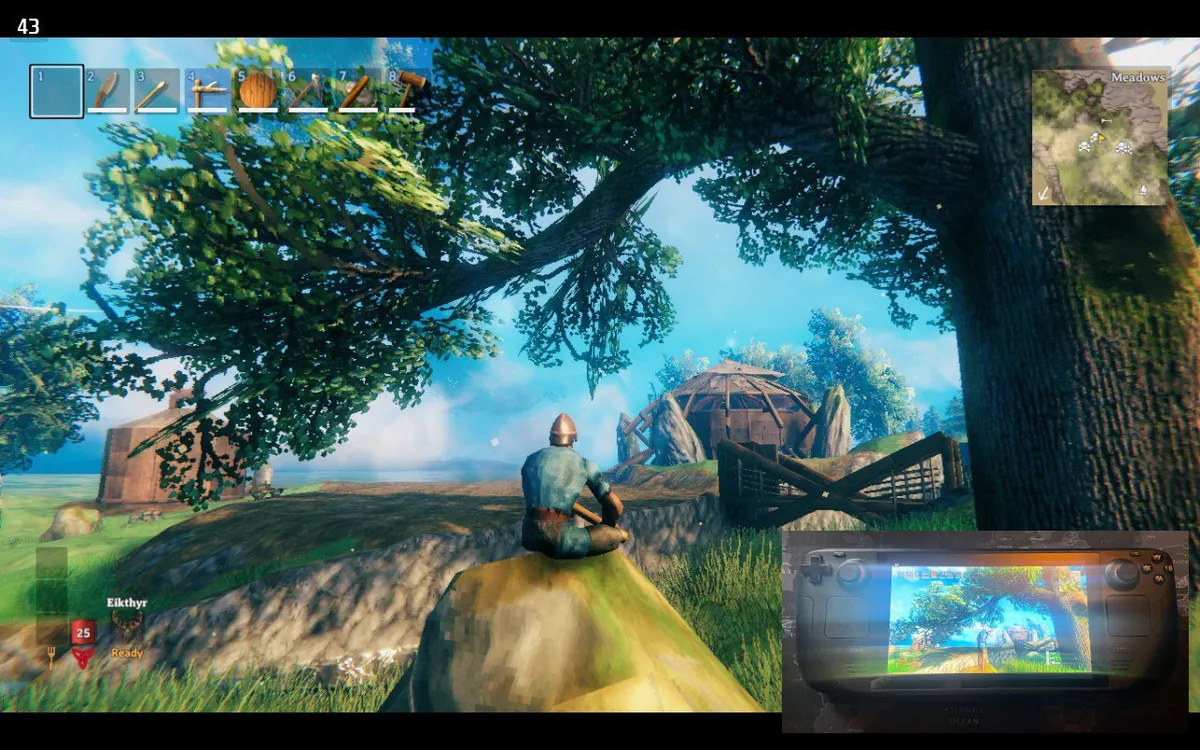
Valheim is a sandbox and survival video game for 1-10 players set in a procedurally-generated world inspired by Norse mythology. Think of it as a Minecraft with a Viking theme and more sophisticated building mechanics.
While it may seem like a casual sandbox survival game at first glance, playing it with friends on a dedicated server transforms it into a slightly different experience where you work together to build a Viking village, sail the seas, and conquer mythological monsters in order to gather better resources for your community.
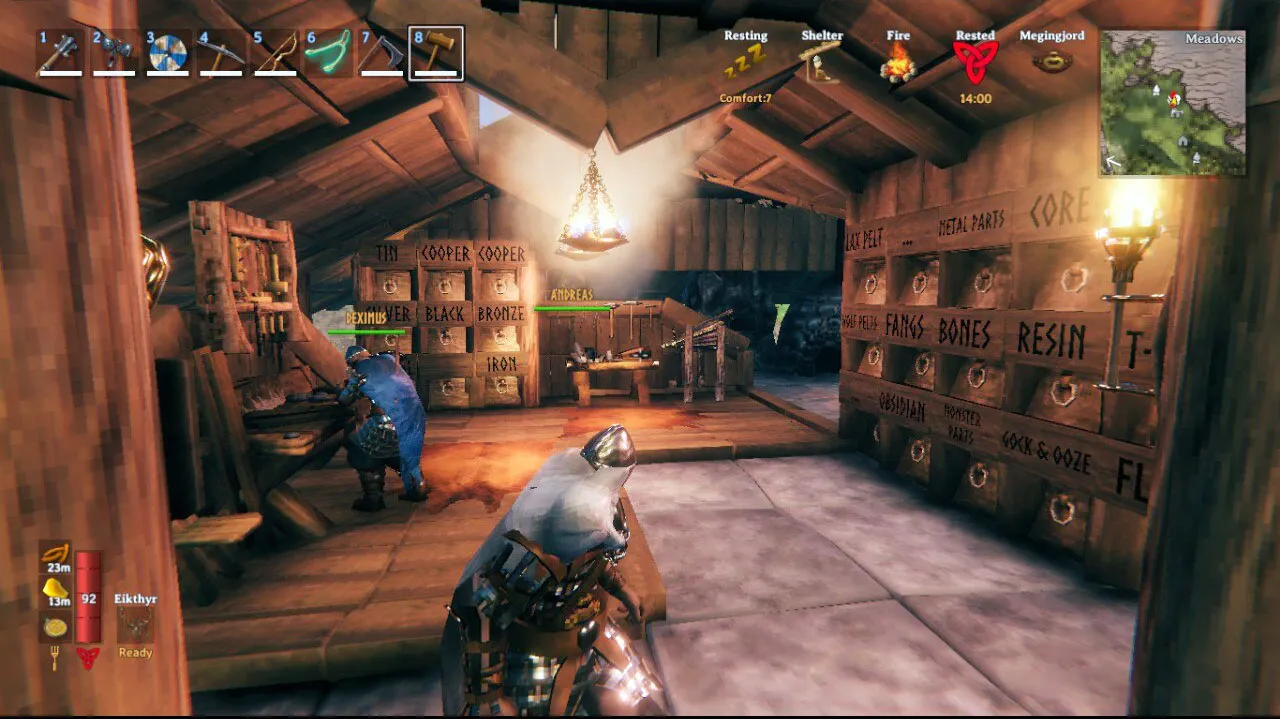
Imagine logging into the server after a long day of work and seeing that one of your friends is already smelting iron while another has just returned from an exploration journey with the ship. You grab your building hammer and continue working on improving the portal house. It’s a great way to relax and unwind after a long day, while also feeling a sense of accomplishment as you work together with your friends to build and improve your Viking village.
Role-playing was definitely one of the key factors that made our experience playing Valheim so metaverse. By naming our village after an actual village near our hometown (“Stockerhood”), and giving the different biomes in the game the names of surrounding villages, it helped to create a sense of immersion and connection to the game world. It also allowed for fun conversations like the one mentioned above, where we could joke about events happening in the game world as if they were happening in real life.
Having individual beds for each player in Valheim, which served as their respawn location, was a great feature that helped to encourage everyone to contribute to the village’s development. With everyone having their own designated spot, it created a sense of ownership and responsibility for the village. You can see different characteristics or “archetypes” emerge among players, which in turn led to roles being developed and emerging naturally:
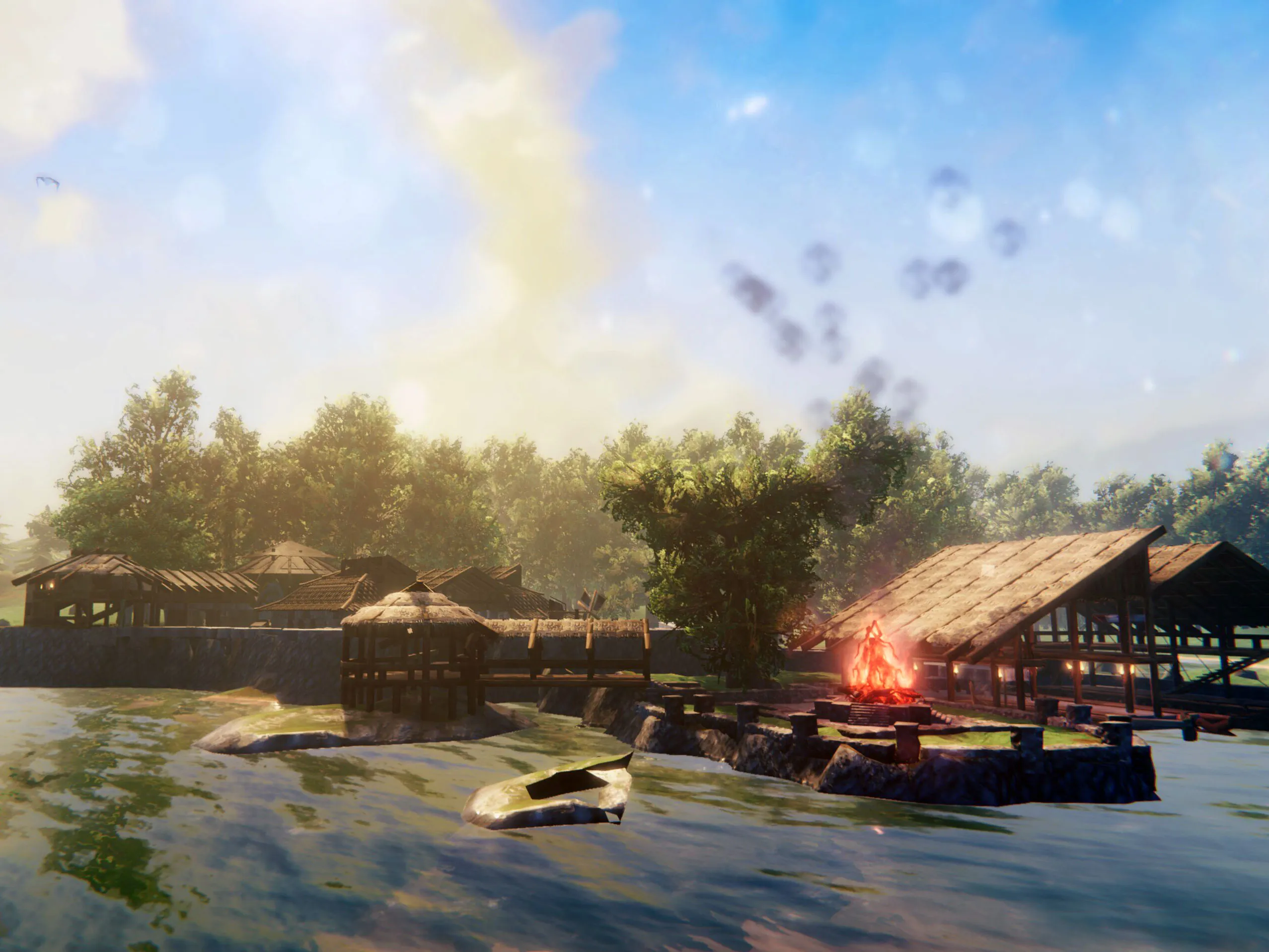
In my case, my dominant archetype is the “achiever”, which means that I enjoy setting and reaching goals and like to see things built or created. So I was naturally assigned to the role of architect and builder.
I designed the village using a “feature-based pattern” approach. Instead of having one large storage area, items are stored in modular sections based on their use. The layout is designed in such a way that the movement of items and players requires as few steps as possible, making it more efficient.
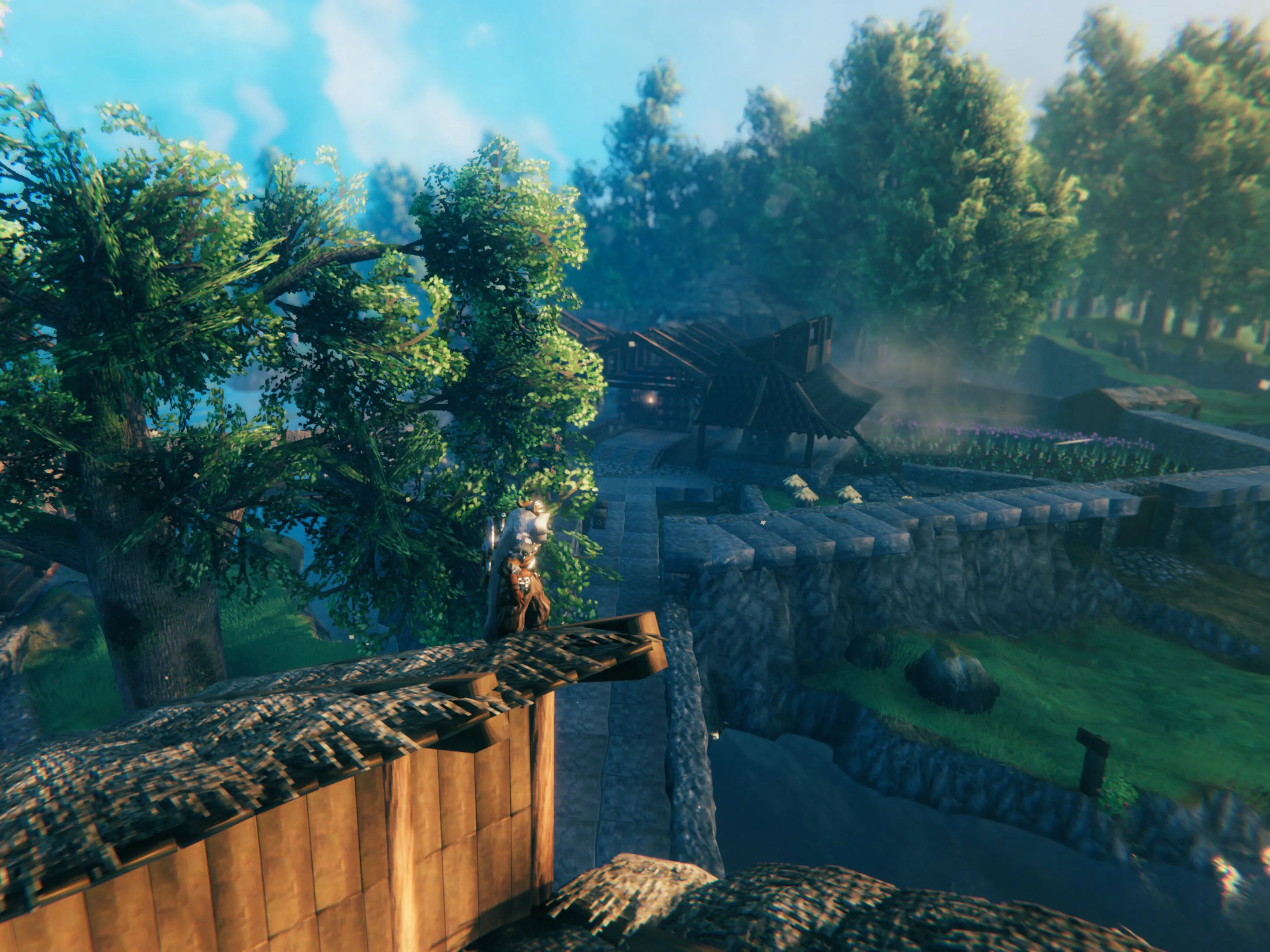
For instance, when a ship loaded with ore arrives at the dock, a cart is waiting to transport the goods a short distance away. After the ore is smelted, it is taken to the workbenches just a few meters away.
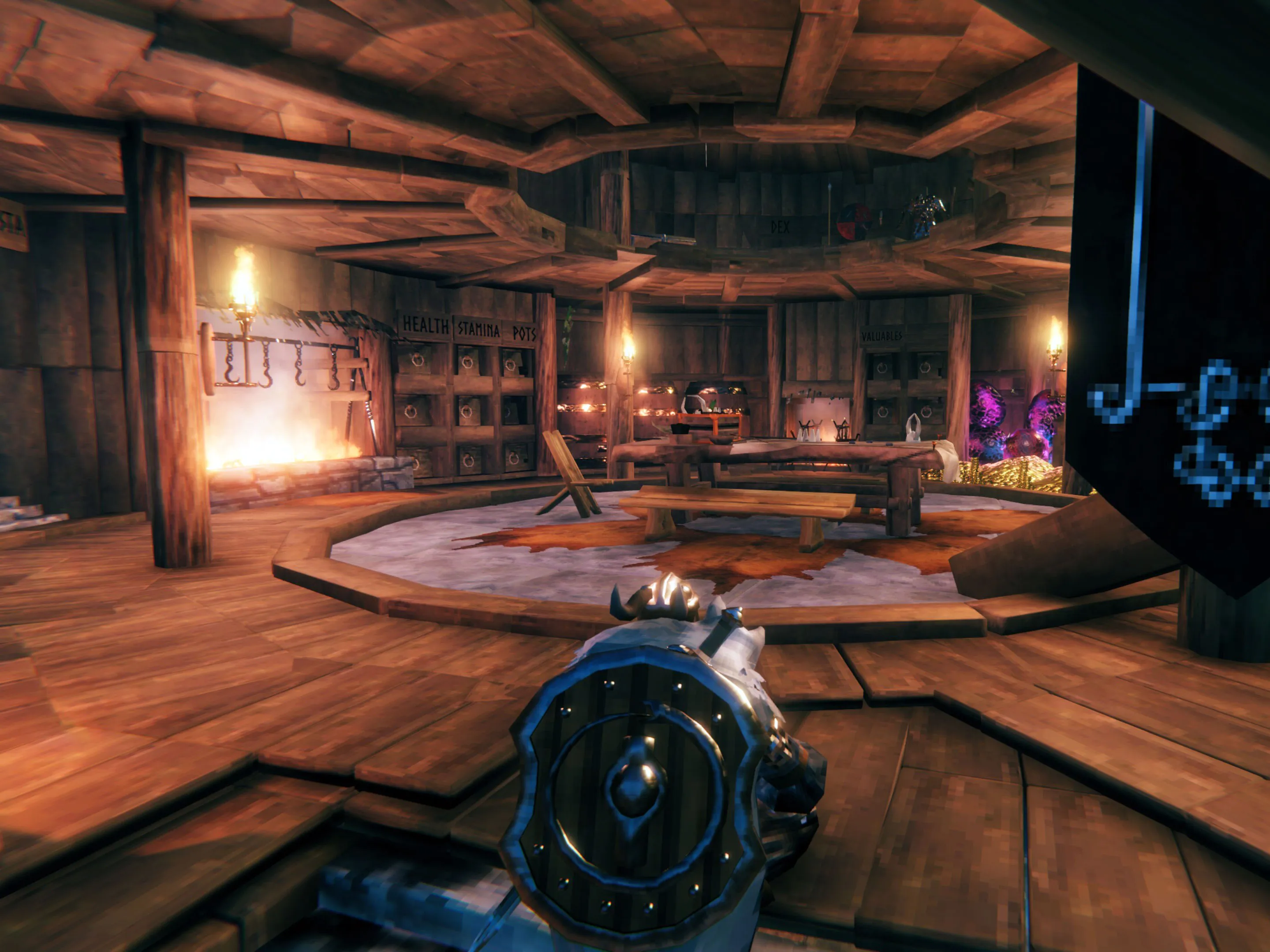
However, the central hub of the operation is the main hall. On the second floor, each person has their own designated space for sleeping and storing belongings. On the main floor, there is a cooking area and a community armory.
Even though we each had a designated roles, it didn’t stop us from going on journeys together. And since the world is procedurally-generated, every playthrough ended up with a unique story to share in real life. And funny thing, people in real life enjoyed the stories, and would often follow up on the tales of our “Stockerhoods” village. So, Valheim - my first true metaverse.
Valheim has set a new standard for how we select our next online cooperative play video games. The ability to setup a dedicated server for our gameplay slowly becomes mandatory requirement.
I’m starting to think that those rich kids who are currently working on building metaverses are using it as a way to play video games without facing judgement. After all, video games are a new form of media and, like with any new medium, there may be people who judge those who participate in it. The concept of metaverses has existed for a long time now, way before huge announcement from the social media giant, and many other talks in Web3 themed conferences.
I would be curious to speak with investors who are investing in the development of metaverses. Do they know that a metaverse is essentially just a fancy term for an online multiplayer game with the potential to monetize in-game property?
“The metaverse needs to acknowledge that it is reinventing the wheel” /GDC 2023 State of the Game Industry report/

Written by EdgeLimits
...to discover even more possible ways to see the "You Died" screen.
Read storyProbably Final Fantasy XIV has the best character visual customization I've ever seen. Or maybe I never tried to customize a female character before.
Read storyWhen was the last time you've received a message in a bottle?
Read story